
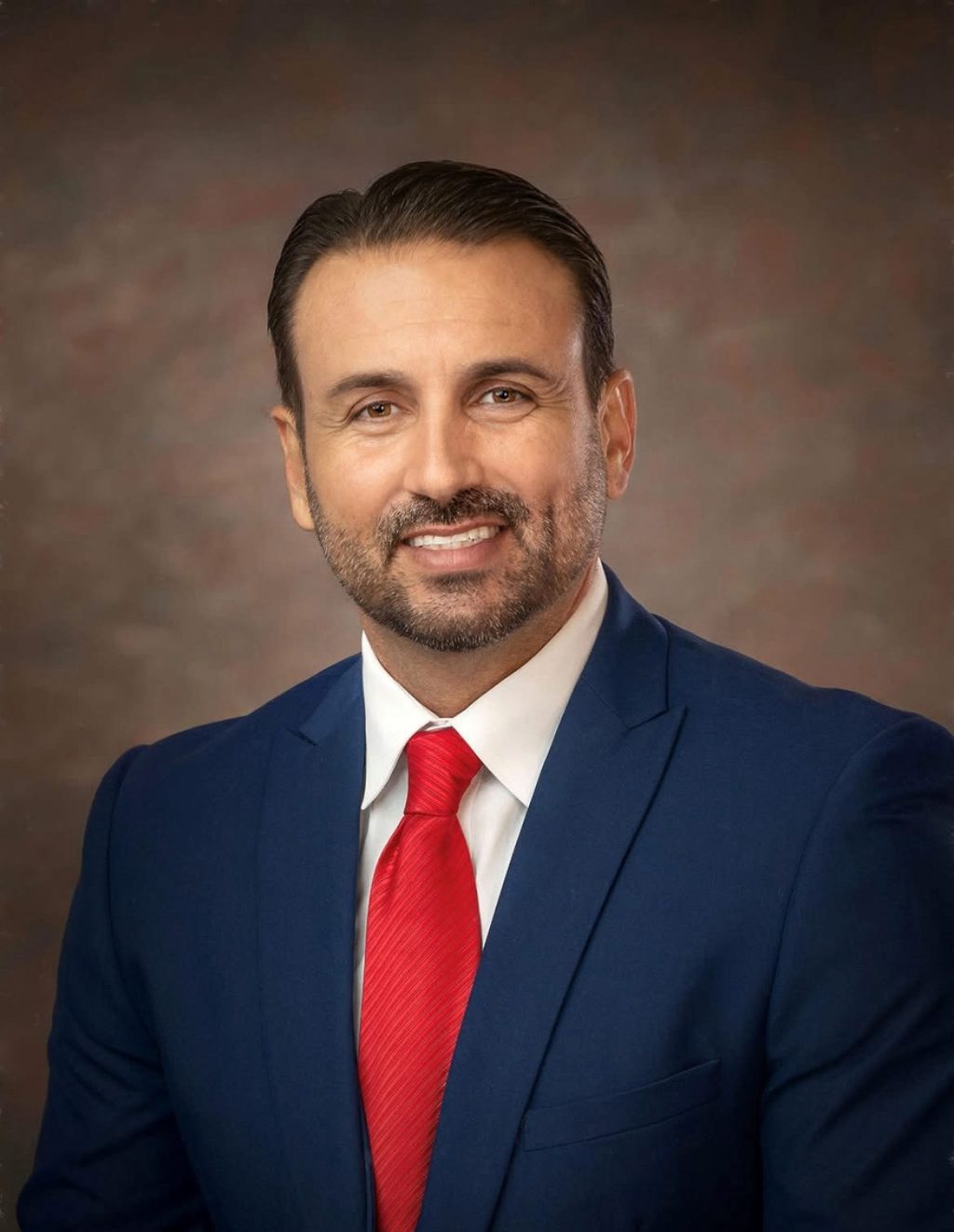
The special general election in Ocala on Tuesday, September 16, 2025 is now complete, and here are the key results and numbers, turnout, what they show, and what they might mean going forward.
📊 Vote Totals by Race
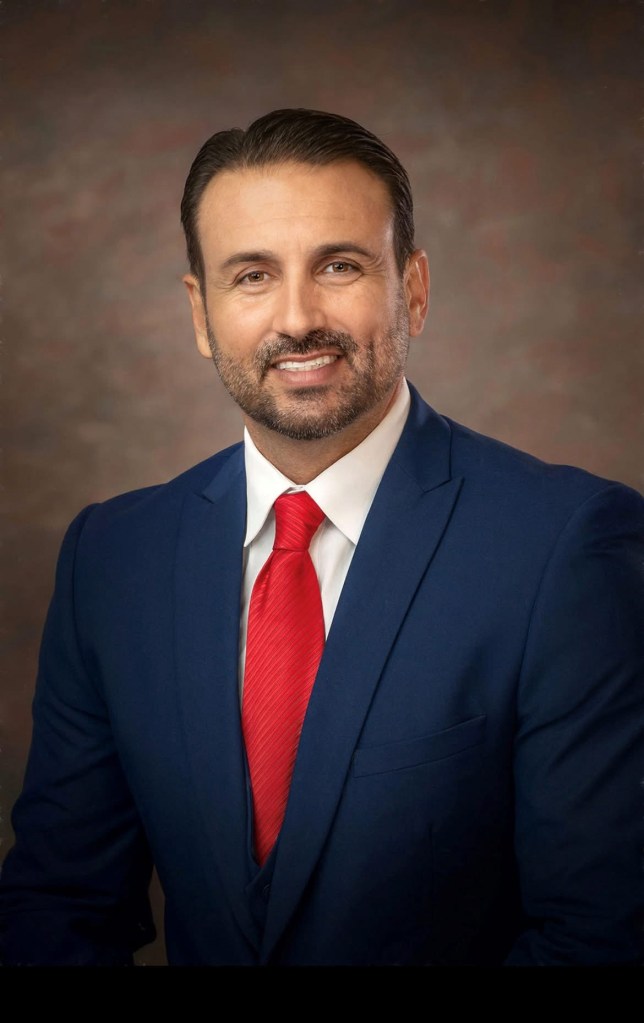
Mayor
- Ben Marciano (incumbent): 3,204 votes — 84.03%
- Arbor “Zackary” Feliciano (challenger): 609 votes — 15.97%
- Total votes in mayoral race: ~3,813 (all precincts reporting)
City Council, District 3
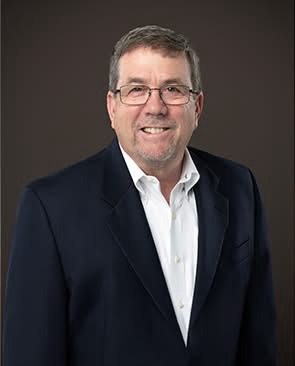
- Jay A. Musleh (incumbent): 1,992 votes — 52.73%
- Mark W. Clark (challenger): 1,006 votes — 26.63%
- TamBoura Jenkins (challenger): 780 votes — 20.65%
- Total votes cast in District 3 contest: ~3,778 votes (all precincts reporting)
📊 Key Numbers
Registered voters: 33,301 people were registered to vote in the City of Ocala for this election.
Ballots cast: 3,849 ballots were submitted in total. That includes early voting, vote-by-mail, and in-person votes.
Voter turnout: about 11.56% of registered voters actually voted.
What Happens Next
The Canvassing Board will now meet to certify the election results. This process involves finalizing absentee ballots, resolving any discrepancies, and ensuring that all votes are accurately counted. Once certification is complete, the results become official, and the newly elected officials will assume their roles in accordance with the city charter and established schedules.
Looking forward, the city may also take this opportunity to review the overall process. With turnout numbers low, city leaders could consider ways to improve voter participation in future elections, whether by expanding outreach, improving accessibility, or providing clearer information for residents ahead of time.
Why It Still Matters
Although voter turnout in this election was relatively low, the results remain deeply significant. The mayor and City Council members chosen will shape policies that directly affect everyday life in Ocala, from infrastructure and policing to development, recreation, and public services.
Low participation also means that a small percentage of the population is ultimately making decisions that impact the entire community. In effect, the voices of non-voters are left unheard. That’s why civic engagement matters, raising awareness, encouraging neighbors to vote, and building stronger habits of participation. Even in special or nonpartisan elections, higher involvement helps ensure that Ocala’s leadership reflects the diverse needs and perspectives of its residents.
Sources

 Ocala Scoop
Leave a comment